Fabric for Hammock: How Many Yards Do You Need
You’re probably wondering how many yards of fabric you’ll need for your DIY hammock project. Generally, you’ll need about 3 to 4 yards of fabric for a standard, comfortable hammock. This amount allows for the necessary gathering and secure stitching to ensure your hammock is both relaxing and durable.
Choosing the right fabric is also key to a great hammock. For most homemade hammocks, we found that strong, slightly stretchy materials like canvas or outdoor-specific fabrics work best. You want something that can support your weight comfortably and withstand outdoor conditions, so picking the right yardage and material goes hand-in-hand for a successful build.
- Most hammocks need 3-4 yards of fabric.
- This accounts for gathering and strong seams.
- Durable, slightly stretchy fabrics are best.
- Canvas and outdoor fabrics are popular choices.
- Proper yardage ensures comfort and safety.
Ready to gather your supplies? Let’s walk through the fabric choices and exact measurements you’ll need for your hammock project.
Getting Your Hammock Fabric: How Much Do You Really Need?
So, you’re ready to build your own slice of relaxation heaven! One of the first big questions is about fabric. How much do you actually need to buy? We found that for a standard, comfortable hammock, you’ll generally need between 3 and 4 yards of fabric. This amount gives you enough material for the main body of the hammock, plus extra for gathering at the ends and creating strong, secure seams.
Think of it like baking a cake. You need enough batter to fill the pan and have a little extra for frosting. With hammock fabric, that extra bit is essential for making sure it’s not just pretty, but also strong and safe. We’ll break down what goes into that yardage so you can confidently grab the right amount for your project.
Understanding Hammock Fabric Requirements
Let’s talk about why that 3-4 yard range is a good starting point. It’s not just about the length of the hammock; it’s about how the fabric will be used.
The Anatomy of Hammock Yardage
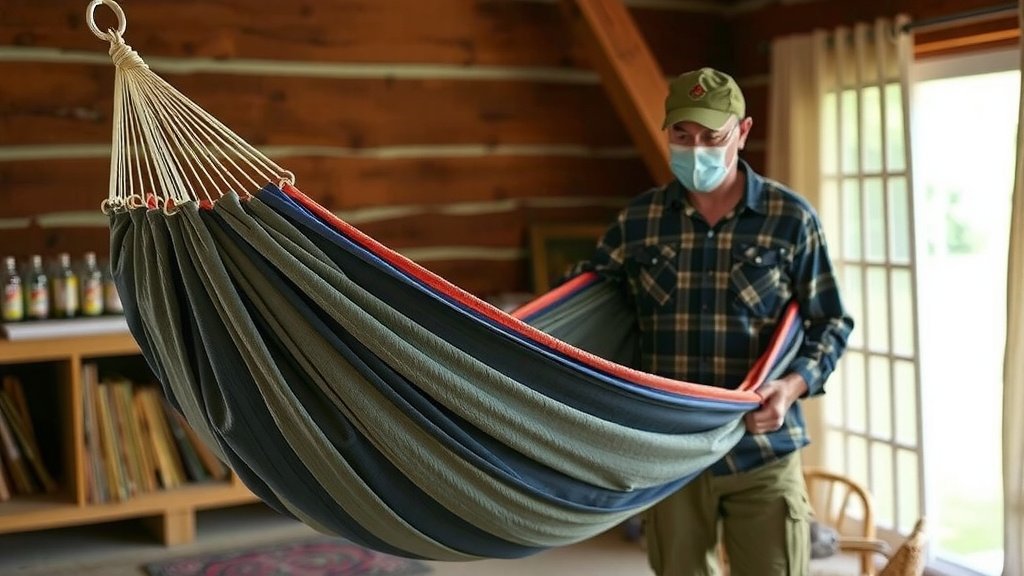
When you’re cutting fabric for a hammock, you’re not just making a flat rectangle. You need extra material for a few key reasons:
- Gathered Ends: Hammocks aren’t typically just a flat sheet. The ends are gathered, often into channels or loops, to attach your suspension system. This gathering takes up fabric.
- Seam Allowances: You’ll be sewing seams to reinforce the edges or join sections. These seams require extra fabric to fold over and stitch securely.
- Durability: More fabric means you can fold and double-stitch stress points, making your hammock much more robust and less likely to fail.
Standard Hammock Dimensions and Fabric Needs
Most DIY hammocks aim for a finished size that’s comfortable for an average adult. This usually means a fabric width of around 4 to 5 feet and a length of 6 to 7 feet. However, the fabric you buy is typically narrower than that and needs to be accounted for.
If you’re using a standard 60-inch wide outdoor fabric, a piece that’s 3 yards (108 inches) long might seem like enough. But remember that gathering!
Calculating for Width and Length
When you buy fabric off the bolt, it has a set width. For hammocks, a width of 45-60 inches is common. You might need to sew multiple panels together to achieve your desired hammock width, depending on the fabric width you choose. This is where yardage really adds up.
Let’s say you want a finished hammock that’s 5 feet (60 inches) wide and 7 feet (84 inches) long. If your fabric is only 45 inches wide, you’d need two panels sewn together down the middle. Each panel would need to be at least 84 inches long, plus extra for seams and finishing. This quickly pushes your requirement beyond just a simple length calculation.
Factors Influencing Fabric Needs
While 3-4 yards is a good general rule, a few things can change that number.
- Hammock Size: Are you making a hammock for a child or a king-sized nap zone? Larger hammocks naturally require more fabric.
- Fabric Width: As we mentioned, wider fabric means fewer panels and potentially less sewing, but you might find fewer options in very wide widths.
- Design Complexity: Some hammock designs involve extra features like pockets or a spreader bar channel, which can add to the fabric demand.
Choosing the Right Fabric for Your Hammock
Beyond just yardage, the type of fabric you choose is vital for a hammock that’s both comfortable and long-lasting.
Popular Fabric Choices
We found that certain materials stand out for their suitability in hammock construction:
- Canvas: This is a classic choice for a reason. It’s strong, durable, and holds up well to repeated use. Cotton canvas is comfortable, but a polyester or poly-cotton blend offers better water resistance and faster drying for outdoor use.
- Ripstop Nylon: Often used for camping hammocks, ripstop nylon is incredibly strong for its weight and compacts easily. It’s a favorite for backpackers because it dries quickly and resists mildew.
- Outdoor Fabrics: Many modern outdoor fabrics are designed for durability and weather resistance. Look for materials marketed for upholstery or awnings, as they are often treated to resist UV rays and moisture.
- Duck Cloth: Similar to canvas, duck cloth is a sturdy cotton fabric. It’s a reliable, budget-friendly option for a robust hammock.
Fabric Properties to Look For
When selecting your material, keep these characteristics in mind:
- Strength: Your hammock needs to support significant weight. The fabric must be tear-resistant.
- Durability: It will be used outdoors, so it needs to withstand sun, rain, and general wear and tear.
- Comfort: While strength is key, you also want it to feel good against your skin. Some synthetics can feel a bit stiff initially.
- Weight: If portability is a concern, lighter fabrics like ripstop nylon are ideal. For a stationary backyard hammock, weight is less of an issue.
Estimating Your Hammock Fabric Needs: A Quick Guide
Let’s solidify those numbers so you can feel confident heading to the fabric store or clicking “add to cart.”
The Standard Hammock Calculation
For a typical hammock that will comfortably fit one or two people, a good rule of thumb is to aim for:
- Length: A finished hammock might be 8-10 feet long, but the fabric needs to be longer to account for gathered ends and attachment points.
- Width: A comfortable width is 4-5 feet.
Considering these factors, 3 to 4 yards of fabric is usually sufficient. This allows for a bit of wiggle room in your calculations and ensures you have enough for strong seams and gathered ends. Many experienced makers suggest cutting a rectangle that’s about 120 inches long by 60 inches wide from your chosen fabric for a generous hammock. This size often requires purchasing around 3.5 yards if your fabric is 60 inches wide, or more if it’s narrower and needs piecing.
Table: Fabric Needs by Hammock Size (Approximate)
| Hammock Type | Finished Size (Approx.) | Recommended Fabric Yardage (60″ wide bolt) | Notes |
|---|---|---|---|
| Single Person Hammock | 7-8 ft L x 4 ft W | 3 yards | Sufficient for basic gathering and seams. |
| Double Person Hammock | 8-9 ft L x 5 ft W | 3.5 – 4 yards | Allows for wider span and extra reinforcement. |
| Large/Family Hammock | 9-10 ft L x 6 ft W | 4 – 4.5 yards | Ensures ample room and robust construction for multiple users. |
Remember, this table assumes you are purchasing fabric that is around 60 inches wide. If your fabric is narrower, you will likely need more yardage to piece together the required width.
Tips for Accurate Measurement
Before you buy, do a quick sketch of your hammock plan. Measure your intended finished dimensions and add at least 12-18 inches for gathering and seams. This extra buffer will save you a trip back to the store!
Your Hammock Fabric Shopping Checklist
Ready to make your purchase? Here’s a quick checklist to ensure you get exactly what you need:
- Confirm your desired finished hammock dimensions.
- Check the width of the fabric you plan to buy.
- Add at least 1.5 feet (18 inches) to your desired finished length for gathering and seams.
- If using narrow fabric, calculate how many panels you need to achieve your desired width.
- Purchase 3-4 yards as a general starting point, adjusting based on size and fabric width.
- Consider buying a little extra fabric for practice stitches or any last-minute adjustments.
Conclusion
You’ve now got a solid grasp on how much fabric you’ll need for your DIY hammock project. Remember, aiming for 3 to 4 yards is your best bet for a standard, comfortable hammock, ensuring enough material for secure gathering and strong seams. Choosing a durable, outdoor-friendly fabric like canvas or ripstop nylon will also make a big difference in its longevity and your enjoyment.
Don’t forget to factor in fabric width and any design complexities. With this knowledge, you’re ready to confidently select and purchase your materials. Now go forth and build that perfect backyard escape!
Frequently Asked Questions
How do I calculate fabric if my chosen material isn’t 60 inches wide?
If your fabric is narrower than 60 inches, you’ll likely need to sew two or more panels together to achieve your desired hammock width. This means you’ll need to purchase enough length of each panel to cover your hammock’s finished width, plus extra for seam allowances. You’ll probably need more yardage overall compared to using a wider fabric.
Can I use leftover fabric scraps for my hammock?
Generally, it’s not recommended to use small scraps for a hammock. Hammocks require long, continuous pieces of fabric to ensure strength and safety across the entire surface. Piecing together small scraps can create weak points that might fail under stress, making your hammock unsafe.
What’s the difference in yardage needed for a single versus a double hammock?
A double hammock is wider and often longer than a single one. Therefore, you’ll typically need more fabric for a double hammock, usually around 3.5 to 4 yards, compared to a single hammock which might only need 3 yards. The extra fabric allows for a more generous span and reinforced construction to support more weight.
Do I need to pre-wash my hammock fabric before sewing?
Yes, pre-washing is a good idea, especially for natural fibers like cotton canvas. Washing the fabric before cutting helps to account for any shrinkage that might occur. This way, your finished hammock won’t unexpectedly shrink after its first wash or exposure to the elements.
Is there a way to use less fabric if I want a smaller hammock?
You can certainly make a smaller hammock, which would require less fabric. If you’re aiming for a child-sized hammock or a more compact design, you might get away with just 2 to 2.5 yards. Always ensure you still have enough fabric for proper gathering at the ends and robust seams for safety.