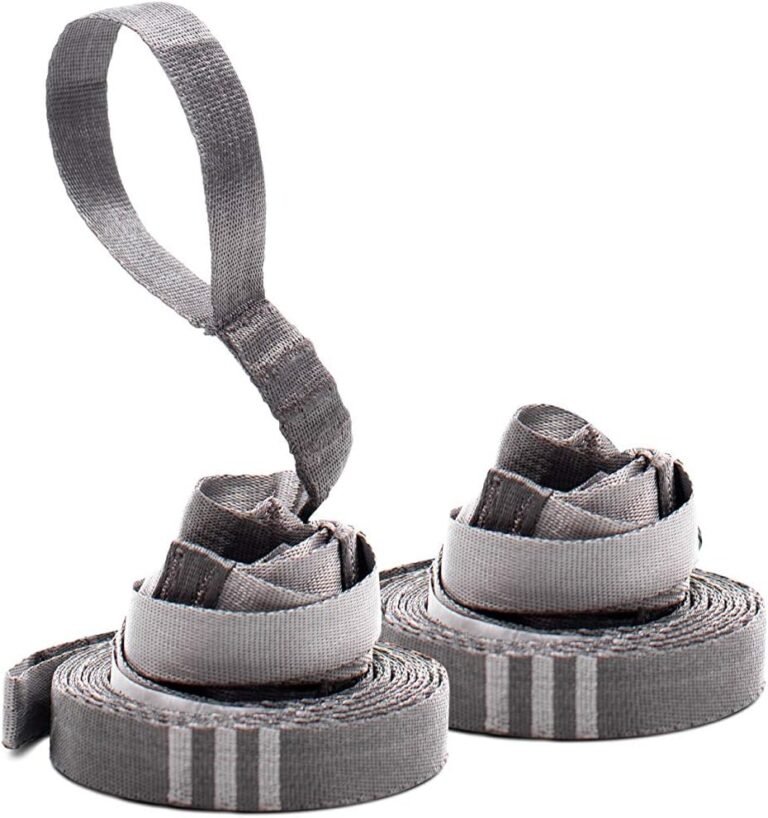
How to Clean Hammock Straps Safely and Easily
The easiest way to clean hammock straps is to hand wash them in a bucket of warm water with mild dish soap or a gentle detergent. This simple method safely removes dirt, sweat, and mildew without damaging the nylon webbing or your hammock’s stitching. We found that a quick 10-minute soak and gentle scrub is all you need for most routine messes.
Your straps take a beating from tree sap, muddy grounds, and rainy camping trips. Keeping them clean isn’t just about looks; it protects the fabric’s strength and extends the life of your whole setup. Many experts say that regular cleaning prevents fiber breakdown caused by abrasive grit and organic buildup, so your straps stay safe and reliable for years.
- Hand wash first: Use warm water, mild dish soap, and a soft brush—skip the washing machine.
- Spot-treat stubborn stains: Focus on tree sap and mildew with a dedicated stain remover or white vinegar solution.
- Rinse thoroughly: Remove all soap residue to prevent attracting more dirt later.
- Air dry properly: Hang them flat or draped, away from direct sunlight and high heat.
- Clean after each trip: A quick wipe-down prevents long-term grime from setting in.
Below, we walk you through the full step-by-step process, including specific tricks for tough stains and how to avoid common washing mistakes. Let’s get those straps looking and smelling like new again.
Your Simple Step-by-Step Guide to Washing Hammock Straps
You don’t need fancy gear or expensive cleaners. Just a few basic household items and about 15 minutes of your time. We found that the process is surprisingly quick once you set up your washing station.
Start by gathering warm water, a mild dish soap, a soft-bristled brush, and a clean bucket. Your goal is to remove surface grime without fraying the webbing. This method works for both polyester and nylon straps, which are the most common materials used today.
Why Hand Washing Beats the Machine
Your washing machine might seem convenient, but it’s actually too harsh for most hammock straps. The agitator can cause the webbing to twist and tangle. Over time, that friction creates micro-tears, which weaken the load-bearing capacity of the straps.
Many experts say that hand washing gives you full control over the pressure and scrubbing. You can also focus on the dirty spots without soaking the entire strap in soapy water. Less soap means less residue, which means your straps stay cleaner for longer.
Getting Your Straps Ready for a Deep Clean
Before you dunk anything in water, take a moment to inspect your straps. Look for frayed edges, broken stitching, or stretched areas. If you spot serious damage, it might be time to replace them rather than clean them.
Research and found that most strap failures happen near the sewn loops, where stress concentrates. Give those spots extra attention during your inspection. A quick safety check protects you and your hammock from unexpected drops.
Shake Off the Loose Dirt First
Give each strap a good shake outside to remove loose dirt, sand, and leaves. This step saves water and keeps your bucket from turning into mud. We found that a few firm snaps can dislodge a surprising amount of grit.
If you have a leaf blower or an air compressor, you can use a low setting to blow out debris from the weave. Just be careful not to get the nozzle too close. You don’t want to damage the fibers with high-pressure air.
Mixing the Perfect Cleaning Solution
Fill your bucket with warm water—not hot. Hot water can set stains and weaken the nylon fibers. Add a few drops of mild dish soap or a gentle detergent. You don’t need much; a little goes a long way.
Stir the water gently until you see light suds. Avoid using bleach, fabric softeners, or harsh chemical cleaners. These can degrade the material and reduce the strap’s strength. Stick with simple, gentle options for the best results.
The Right Tools for the Job
A soft-bristled brush, like an old toothbrush, works perfectly for scrubbing. It’s small enough to get into the tight weave of the straps. A clean sponge or microfiber cloth also works well for lighter cleaning.
If you don’t have a brush, you can use your fingers to work the soap into the fabric. Just make sure you rinse thoroughly afterward. We found that a dedicated scrub brush gives you the best control over stubborn spots.
Soaking Time for Tough Messes
Submerge your straps fully in the soapy water. Let them soak for 10 to 15 minutes to loosen embedded dirt and grime. This waiting period makes the scrubbing phase much easier and more effective.
For normal dirt, five minutes is plenty. If you’ve been camping in muddy conditions or near a beach, give them the full soak. The extra time helps break down the organic matter that clings to the webbing.
Scrubbing Away Stains Without Damage
Take your soft brush and gently scrub the straps, working from the middle out toward the ends. Use circular motions and light pressure. The goal is to lift dirt out of the weave, not grind it deeper into the fabric.
Pay extra attention to the areas where the strap touches the tree. Those spots pick up the most sap, dirt, and moisture. A little extra elbow grease there makes a big difference in the overall appearance.
Dealing With Sticky Tree Sap
Tree sap is one of the most annoying things to remove from hammock straps. It’s sticky, stubborn, and seems to attract dirt like a magnet. If you spot sap spots, apply a small amount of rubbing alcohol or hand sanitizer directly to the area.
Let it sit for a minute, then gently rub with your fingers or a soft cloth. The alcohol breaks down the resin, making it easy to wipe away. Once the sap is gone, wash the area with your soapy solution to remove any residue.
Battling Mildew and Odors
If you’ve stored your hammock while it was damp, you might notice a musty smell. This usually means mildew is starting to grow. A solution of equal parts white vinegar and water is your best friend in this situation.
Soak the affected areas in the vinegar solution for about 15 minutes. Then scrub gently and rinse thoroughly. Vinegar is naturally antibacterial and does a great job of neutralizing odors without harsh chemicals.
Rinsing Away All the Soap and Grit
After scrubbing, it’s time to rinse. Fill your bucket with clean, cool water. Swish the straps around thoroughly to remove every bit of soap and loosened dirt. Rinse until the water runs clear with no suds.
We found that a second rinse guarantees no residue remains. Soap left behind can attract more dirt later and make your straps sticky. Take your time here; it’s an important step for long-term cleanliness.
Why Clean Water Matters
Residual soap creates a film that catches dust and pollen. This means your freshly cleaned straps will get dirty faster. A thorough rinse prevents this and keeps your straps looking new for longer.
For extra cleanliness, you can also run your fingers along the full length of the strap while it’s submerged. This gentle squeezing motion helps push water through the weave, flushing out hidden dirt particles.
Drying Your Straps the Smart Way
Proper drying is just as important as washing. Never put your straps in a dryer. The heat can melt the nylon or weaken the stitching. Always air dry them instead, using a simple indoor or outdoor setup.
Hang your straps over a clean shower rod or clothing line. Make sure they are spread out flat and not doubled over. Folding them tightly can create creases that weaken the fibers over time.
Avoiding Direct Sunlight and Heat
Direct sunlight can cause UV rays to break down the synthetic materials. This leads to fading and brittleness over time. Choose a shaded spot outdoors or a well-ventilated indoor area for drying.
Also, avoid placing them near heaters, radiators, or fireplaces. High heat can do just as much damage as UV rays. A cool, dry room with decent airflow is the safest choice for drying your gear.
Most straps dry within a few hours. Nylon and polyester dry quickly, especially in warm indoor air. Check them before storing by touching the fabric. It should feel completely dry to the touch, with no cool or damp spots remaining.
The Squeeze Test for Readiness
Press your thumb against the strap. If any moisture appears on the surface, they need more time. You can also hold the strap up to your cheek; the skin there is sensitive to dampness. When it feels dry, it’s ready for storage.
We recommend waiting a full 24 hours before rolling your straps up tightly. This extra time ensures the inner fibers are completely dry. Storing damp straps is what leads to mildew and those musty smells later.
Keeping Your Straps Clean Between Washes
You don’t need a full wash after every single trip. A quick wipe-down can do wonders for extending the time between deep cleans. Keep a small microfiber cloth in your hammock storage bag for this purpose.
After you pack up camp, give your straps a quick wipe to remove surface dirt and moisture. This two-minute habit prevents grime from embedding into the weave. We found that consistent light cleaning means fewer heavy-duty wash sessions.
Pre-Trip Protection Tips
Before you hang your hammock, check the tree bark for sharp edges or loose bits. Rough bark can snag and fray your straps. You can also use tree protection straps or a simple cloth barrier to minimize wear and tear.
When you set up, keep the straps away from the ground. Dirt and moisture are the main culprits behind premature strap wear. A simple stick or tarp under the anchor point keeps your straps off the damp earth.
Storing Your Straps for Maximum Longevity
How you store your straps after cleaning matters just as much as the cleaning itself. Good storage protects them from dust, pests, and moisture. A dedicated mesh bag or stuff sack works great for airflow. This allows any residual moisture to escape and prevents mildew from forming.
Roll your straps loosely instead of folding them sharply. Tight folds create permanent creases that can weaken the material over time. You don’t need to do it perfectly, but a gentle coil that fits in your storage sack works best.
Ideal Storage Conditions
Keep your straps in a cool, dry place away from direct sunlight. A closet shelf, a gear bin, or even a drawer works well. Avoid garages or attics that experience extreme temperature swings, as these can cause brittleness.
Many experts say that consistent moderate storage temperatures extend the life of outdoor gear. Your straps aren’t picky, but they do appreciate kindness. Treat them well, and they’ll hold your hammock securely for years.
How Often Should You Clean Your Hammock Straps?
The short answer is: it depends on how often you use them. For weekend campers, cleaning after every third or fourth trip is usually enough. For daily hammock loungers, a monthly cleaning keeps things fresh.
If you notice visible dirt, sticky spots, or an unpleasant odor, it’s time to clean. We found that simple visual and smell checks are the best guidelines. Your senses tell you more than any fixed schedule could.
At minimum, always wipe down your straps before long-term storage. This prevents any built-up dirt or moisture from causing damage while they sit idle.
Signs You Should Replace Your Straps
Cleaning won’t fix everything. If you see heavy fraying, broken threads, or stretched loops, replacement is the safer route. Don’t risk a fall just to save a few dollars. Your safety is far more important than any gear. For affordable replacements, our guide to budget-friendly strap options compares top picks.
Check for discoloration that suggests sun damage. If the straps feel stiff, brittle, or powdery to the touch, it’s time for new ones. Regular cleaning helps, but it can’t revive fabric that’s reached the end of its life.
The 20-Minute Cleaning Routine
Routine cleaning is simple and quick. Here’s a streamlined version of everything you just learned. Stick to this checklist every time, and your straps will stay in top shape.
- Give your straps a good shake to remove loose dirt and debris.
- Soak them in a bucket of warm water with a few drops of mild dish soap.
- Scrub gently with a soft-bristled brush, focusing on sap and stains.
- Rinse thoroughly with clean water until all suds are gone.
- Air dry in a shaded, well-ventilated area away from direct sun.
- Store loosely rolled in a mesh bag in a cool, dry place.
That’s it. Six simple steps to clean straps that look and perform like new. We found that this routine takes less than 20 minutes from start to finish.
You’ll spend a little time now, and you’ll save yourself the cost of replacing your straps prematurely. It’s a smart trade that keeps your hammock adventures safe and comfortable for many trips to come.
Conclusion
Keeping your hammock straps clean is a small habit with a big payoff. A quick hand wash every few trips protects the webbing, prevents mildew, and keeps your gear ready for adventure. You already know the basics: warm water, mild soap, a gentle scrub, and plenty of air drying.
You don’t need to overthink it. Just set aside 20 minutes after your next camping trip and give those straps some attention. Your hammock will hang safer, smell fresher, and last much longer. Grab your bucket and get started today.
Frequently Asked Questions
Can I use bleach to clean my hammock straps?
No, you should never use bleach on hammock straps. Bleach is too harsh and will break down the nylon or polyester fibers over time. Stick with mild dish soap or a gentle detergent instead. Your straps will stay stronger and last much longer.
How do I get tree sap off my hammock straps without damaging them?
Rubbing alcohol or hand sanitizer works great on tree sap. Apply a small amount directly to the sticky spot and let it sit for about a minute. Then gently rub with your fingers or a soft cloth before washing normally.
Is it okay to clean hammock straps in the washing machine?
We don’t recommend it. The agitator can twist and tangle the webbing, causing micro-tears that weaken the straps. Hand washing gives you control and protects the stitching. It only takes 15 minutes, so the extra effort is worth it.
What is the best way to store hammock straps after washing?
Store them loosely rolled in a mesh bag or stuff sack. Choose a cool, dry spot away from direct sunlight and extreme temperatures. Make sure they are completely dry first to prevent mildew from forming.
Why do my hammock straps smell even after washing them?
That musty smell usually means mildew has worked its way into the fibers. A soak in equal parts white vinegar and water for 15 minutes can neutralize odors. Be sure to rinse thoroughly and dry completely before storing.